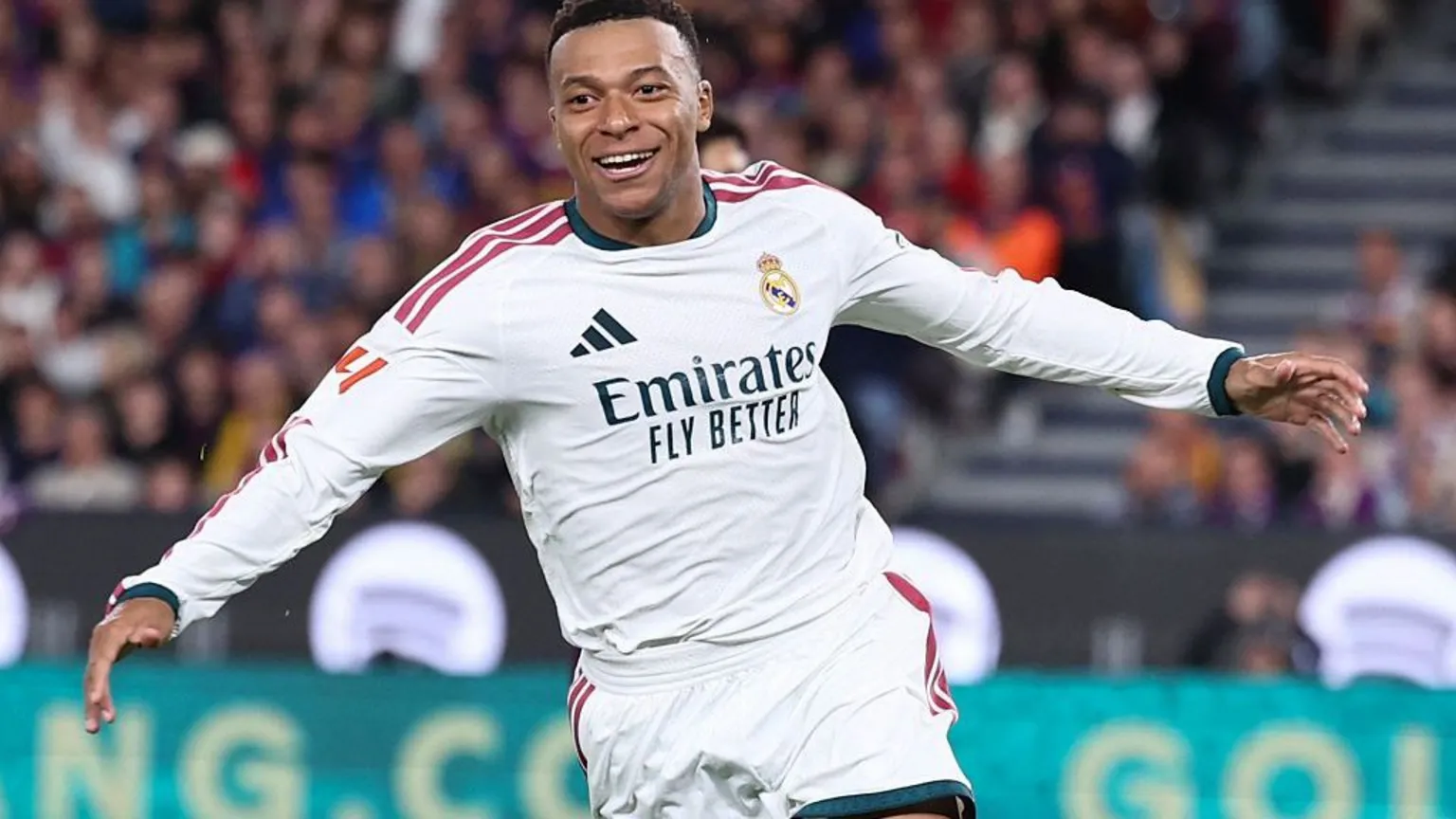
Kylian Mbappé has faced a growing backlash in China after alleged comments about a meme showing his face superimposed on an image resembling Mao Zedong circulated online.
The French footballer reportedly discussed the meme on the French talk show The Bridge, describing it as one that “makes me laugh the most” before referring to the figure in the image as “a Chinese dictator.” Mbappé, who does not identify Mao by name in the reported clip, is also heard saying: “I use it with my friends all the time.”
The original video is no longer available on the show’s YouTube channel, and the clips circulating online have not been verified. However, screengrabs from the segment spread across Chinese social media. Neither Mbappé nor The Bridge has commented on the allegations.
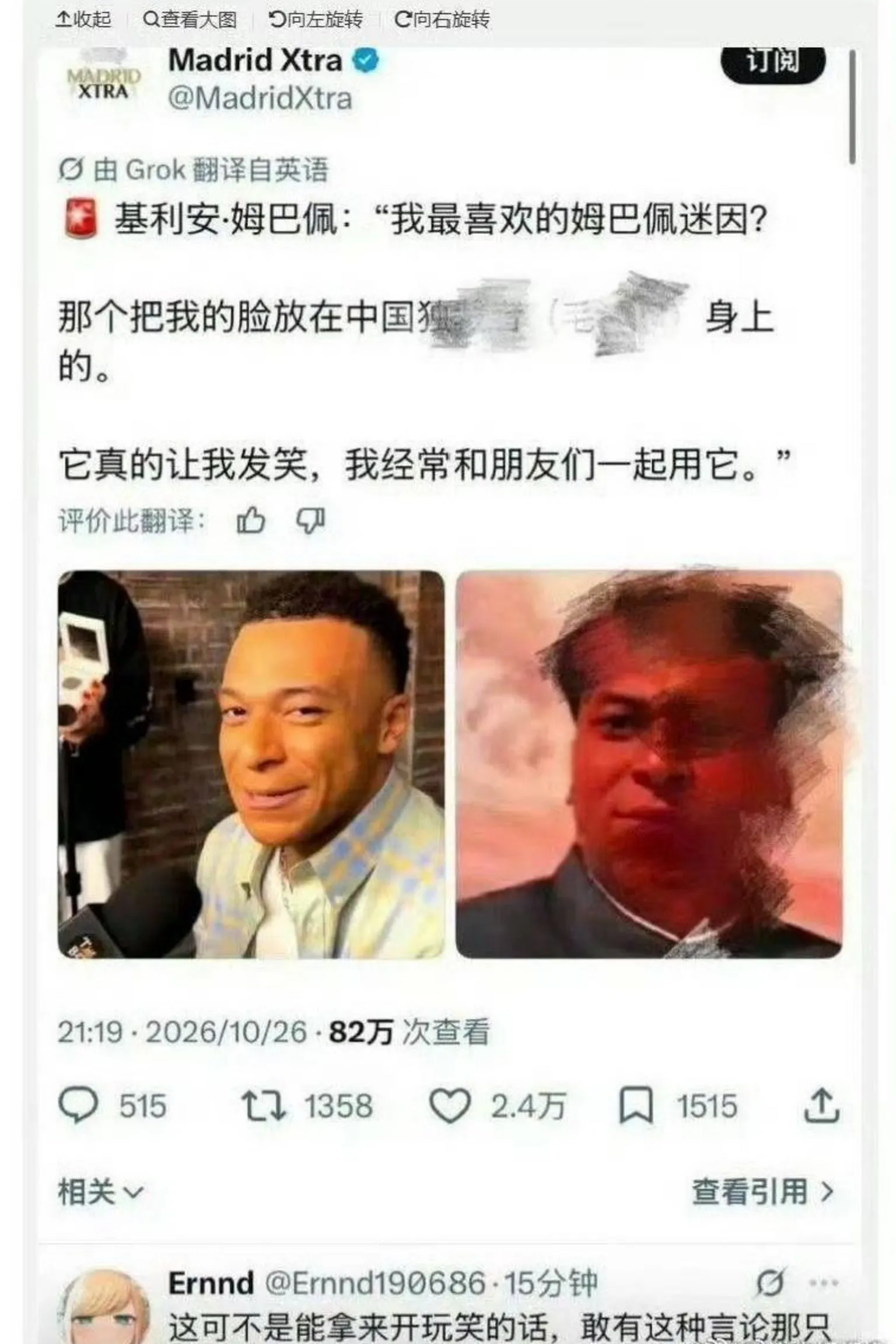
Chinese football fans and officials react to Mbappé’s alleged remarks
The controversy was highlighted on Monday night by Chinese football forum Dongqiudi, which described the reported remarks as “inappropriate” and said they “hurt the feelings of Chinese people.” The forum added: “As his remarks were offensive to China and the Chinese people, we are unable to translate them.”
China’s foreign ministry also addressed the reports. Spokesperson Lin Jian said: “We have noted the relevant reports. Words and deeds that hurt the feelings of the Chinese people will naturally be met with opposition from all sectors of Chinese society.”
Chinese brands drop Mbappé as CCTV reportedly suspends La Liga coverage
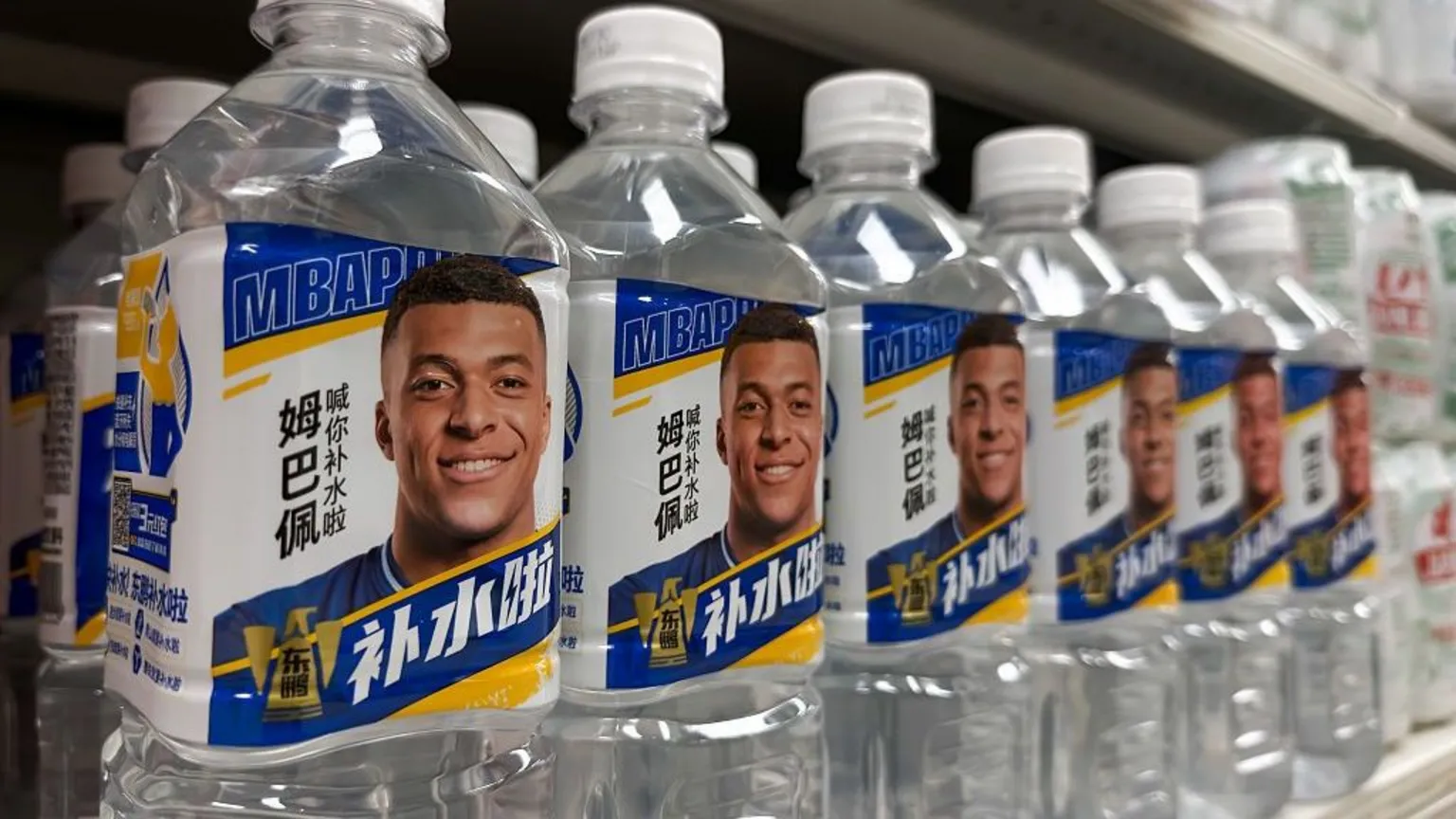
The reaction has affected Mbappé’s commercial presence in the country. Several Chinese brands have dropped the Real Madrid forward, although the companies have not explicitly referred to the disputed clip when explaining the decisions. Instead, they cited language or conduct that had hurt national sentiment.
Mengniu, China’s largest dairy producer, said it “firmly opposes and has a zero-tolerance policy towards any words or actions that hurt the feelings of the Chinese people.” Drinks company Dongpeng issued a similar statement, saying: “Our company firmly opposes and has a zero-tolerance policy towards any behaviour that offends national sentiments.”
Chinese state broadcaster CCTV is also suspending La Liga matches, according to a report by The Paper. The state-owned Global Times reported that CCTV’s news applications no longer contained material related to the French striker. Because the brands did not spell out what they believed Mbappé had said or done, some social media users have continued asking for clarification about the alleged offence.
Mbappé’s “dictator” nickname and the controversy surrounding Mao Zedong
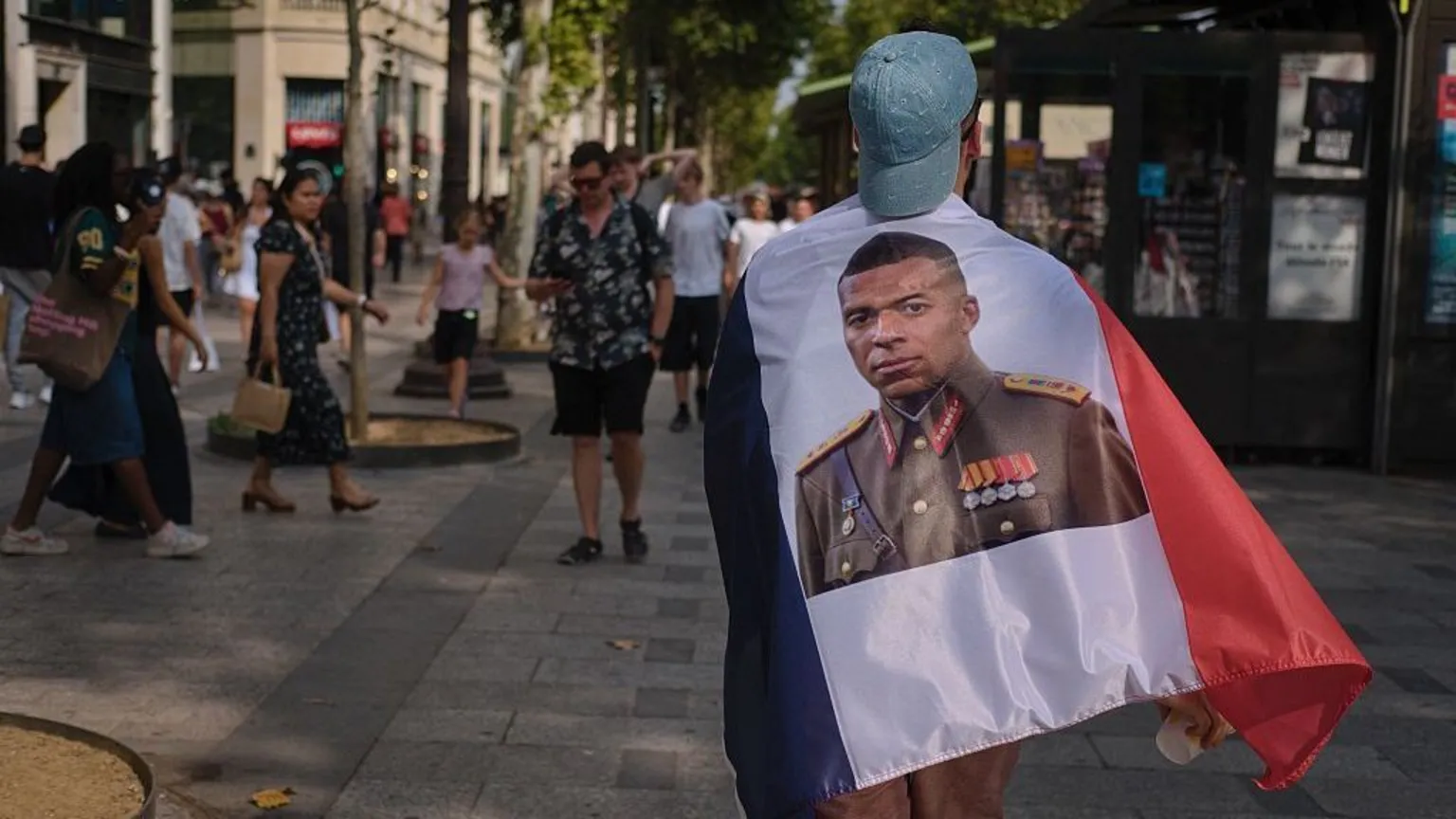
The dispute has drawn particular attention because Mbappé is highly popular in China and has held major brand endorsements there. It also intersects with a nickname he has carried in football: “the dictator,” a reference to the influence and control he is seen as having in club and international football.
That image has been reinforced by memes and public jokes. In 2024, Mbappé sued a French influencer and kebab shop owner over the use of his name in the description of one of the shop’s sandwiches. During the 2026 World Cup, France team-mate Ousmane Dembélé joined the trend by calling him “Mobut,” a reference to Mobutu Sese Seko, who ruled the Democratic Republic of Congo, formerly Zaire, for three decades.
Mbappé has previously acknowledged the lighter side of the comparisons while warning that they can reflect a lack of political and human awareness. In an interview with France Football in September, he said they “sometimes reveals a lack of political and human awareness among people.” He added: “There’s a side that’s a bit less funny, because we know the damage people like that have caused throughout history.”
“Being compared to people who murder others, or who have made millions upon millions of people miserable... I don’t think I’ve done that in my life,” Mbappé said. Mao, who founded Communist China in 1949, remains a national icon for the Chinese Communist Party despite the famine associated with the Great Leap Forward and the violence of the Cultural Revolution. His death in 1976 preceded China’s move towards greater engagement with the global economy, while his legacy continued to be treated as beyond reproach by the party.
For now, the reported remarks remain unconfirmed, but the commercial consequences in China are continuing to develop.