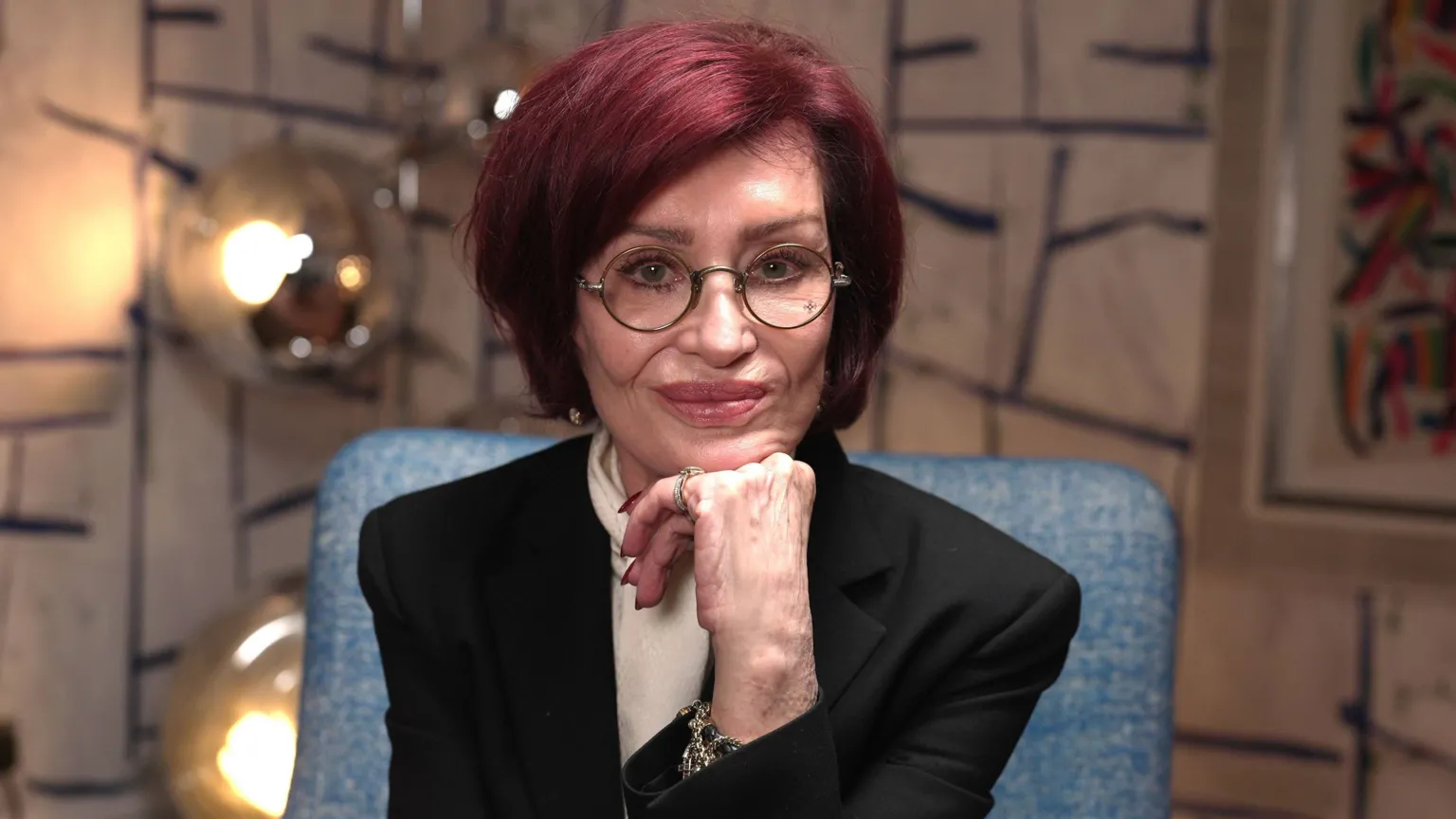
Fifteen months after Ozzy Osbourne’s death, Sharon Osbourne says the loss still shapes every part of her life. The television presenter has not tried to pretend that grief disappears with time. Instead, she has learned to carry it with her, returning each day to the place where her husband was laid to rest and speaking to him as though their long conversation has never truly ended.
Ozzy died at the age of 76 at his home in Buckinghamshire. His health had been fragile for years, with Parkinson’s disease, a fractured vertebra and other serious complications making daily life increasingly difficult. Even so, his death came as a devastating shock, particularly because he had appeared on stage less than three weeks earlier for a triumphant farewell concert in Birmingham.
Ozzy Osbourne’s final concert brought him happiness before his death
That performance at Villa Park gave Ozzy a final burst of happiness. Sharon remembers him returning from the show completely uplifted, watching reactions online and scrolling through reviews. He was so accustomed to criticism that the warmth seemed to confuse him. When he noticed that people were praising him instead of attacking his performance, he reportedly wondered what had gone wrong. Sharon told him the answer was simple: people were being kind because they loved him.
“He was just so, so happy,” Sharon recalls. Ozzy had spent decades as one of rock’s most distinctive figures, yet the affection surrounding that final appearance appeared to surprise him. The concert allowed him to feel connected to the audience again, and Sharon says that feeling stayed with him in the days that followed.
On the morning of his death, Ozzy woke early and went downstairs for his familiar workout. Shortly afterward, he suffered a heart attack. An air ambulance was called, and paramedics fought to save him, but they could not bring him back.
Sharon was asleep when the emergency began. She says she and Ozzy had spoken during the night after he woke and asked her to kiss him twice. She did so. Then he asked her to hold him tightly, and she held him. The next thing she remembers is someone rushing into the room and telling her to come downstairs immediately. Sharon ran down, but by then everything had changed.
Sharon Osbourne opens up about grief and life without Ozzy
The grief that followed has not ended. Sharon says losing the love of your life is not something that can be treated like an illness that suddenly disappears one morning. There is no moment when a person simply wakes up healed. Instead, she has had to learn how to live alongside the pain, accept its presence and gradually make room for life again. In her words, a person can remain shut away forever, or accept grief, befriend it and keep moving.
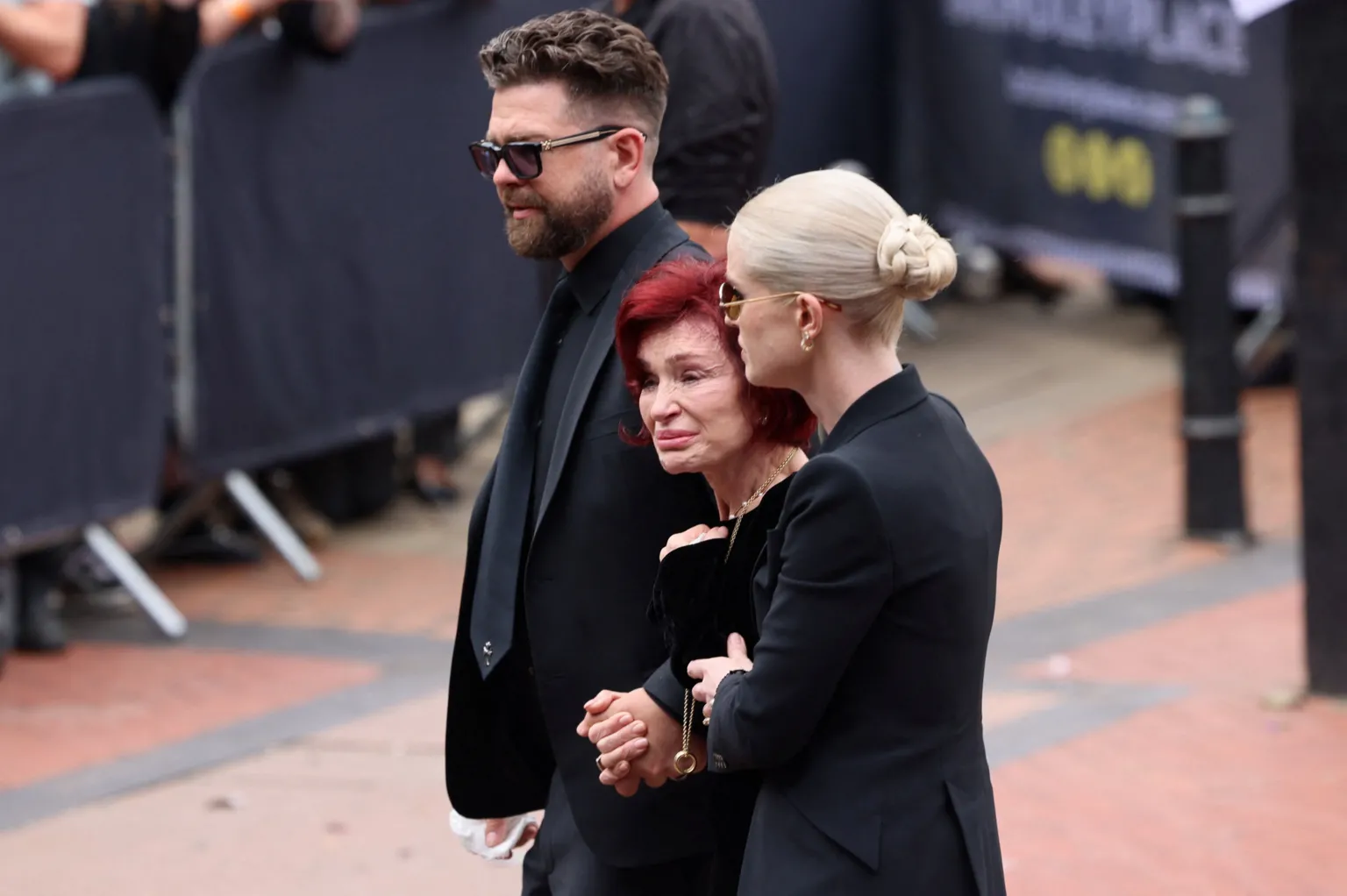
The scale of the public mourning showed Sharon that her family was not alone. Before Ozzy’s funeral, thousands of fans filled the streets of Birmingham. They brought flowers, sang Black Sabbath songs and gathered as his body passed through his home city in a hearse topped with a purple floral cross.
Sharon believes Ozzy himself would have been bewildered by the scene. She imagines him looking at the crowds and asking why everyone was making such a fuss, before telling them to go home. Yet for the family, the outpouring became a deep source of comfort. Their grief was personal, but the love surrounding Ozzy made it clear that his influence extended far beyond the people who knew him privately.
Their daughter Kelly also described the public support as unexpectedly helpful. Knowing that fans around the world loved Ozzy and felt their own sadness made the family feel less isolated. Cards and messages sent by admirers were collected, sorted and photographed. The flowers were later composted for the family garden, where Ozzy is buried.
Sharon says she could never have placed him in a public cemetery. She had seen how difficult it could become for other famous people when visitors constantly arrived to pay their respects. She wanted Ozzy to have quiet, privacy and the chance to rest without people disturbing the place.
Even so, Sharon visits him every day. She can see his burial site from her window, and the closeness means she does not have to travel far to feel near him. She also continues to talk to him regularly. When asked what they discuss, she puts a finger to her lips and offers a gentle “shh”, keeping that part of their relationship private.
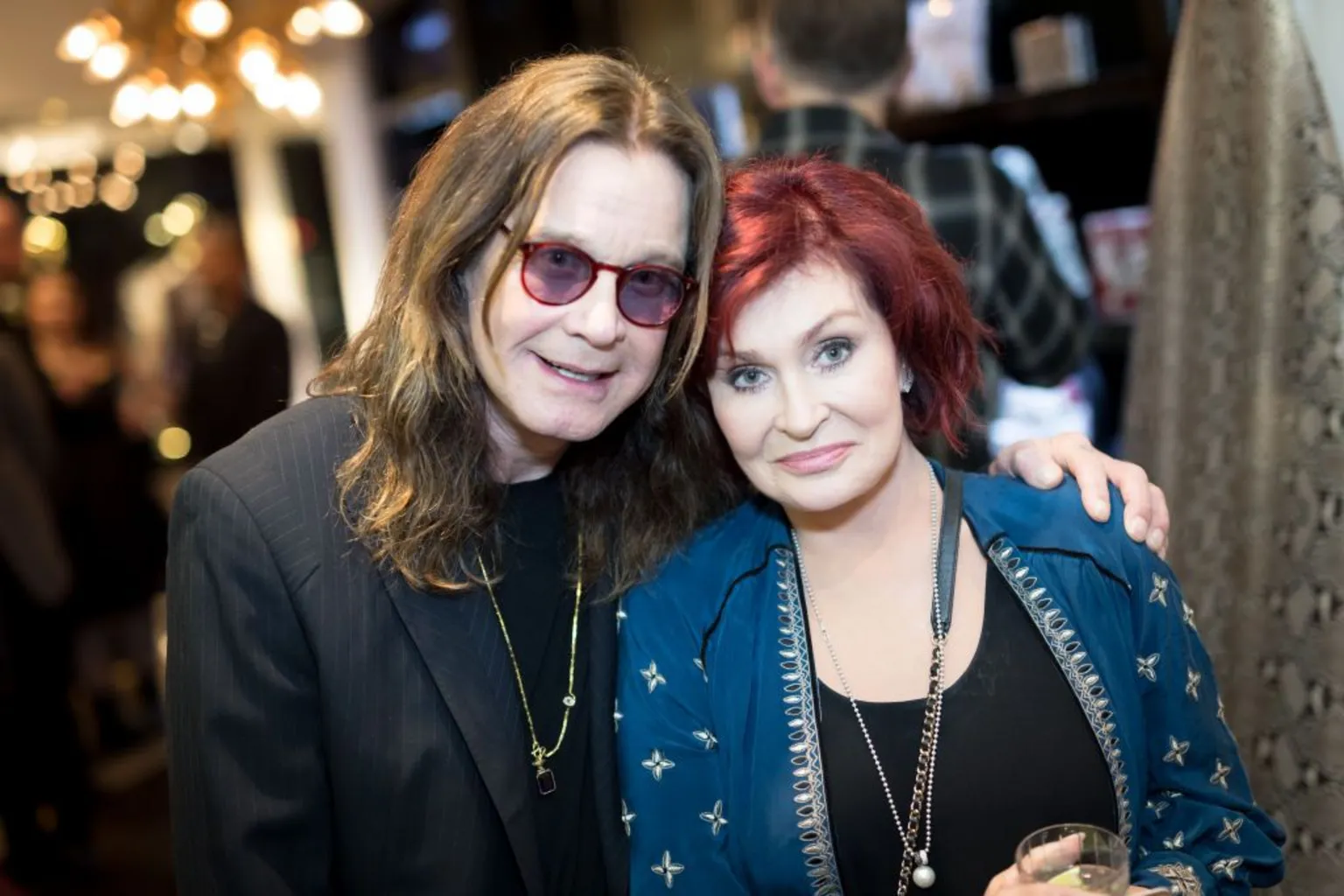
Sharon and Ozzy Osbourne’s marriage and life together
Ozzy and Sharon were together for more than half a century. They met in 1970 and married in 1982, building a relationship marked by intense devotion as well as painful turbulence. Ozzy was arrested in 1989 after attempting to kill Sharon, although she later dropped the charges. The couple also separated briefly in 2016 amid rumours of infidelity. Despite the turmoil, they continued to describe themselves as soulmates.
Sharon admits that their relationship contained extraordinary highs and terrible lows. It was never simple, polished or predictable. But by the end of Ozzy’s life, she says, he understood exactly how deeply he was loved. That certainty became one of the most important things they shared during his final years.
Back To The Beginning documentary captures Ozzy’s farewell performance
A new documentary, Back To The Beginning, captures the love surrounding Ozzy during his last concert at Birmingham’s Villa Park. The film includes more than 25 songs from the star-studded event, including Ozzy’s solo set and the complete Black Sabbath performance. It also features backstage reflections from musicians who describe the enormous impact he had on rock music.
James Hetfield of Metallica explains that without Black Sabbath, Metallica would not exist. Yungblud recalls how Ozzy’s individuality changed his life when he was a child who felt out of place. Seeing a performer celebrated for his unusual spirit and independence gave him hope, and his version of Changes became one of the concert’s most emotional moments.
For Sharon, the performance was Ozzy’s final wish. After years of deteriorating health, he wanted one night that could make him genuinely happy. The road to that stage was frightening. Six months before the concert, he fell and fractured his vertebrae. During his recovery, he developed pneumonia three times. Following back surgery, he contracted sepsis and nearly died.
Just two weeks before the show, doctors advised him to cancel. They warned that his heart was too weak and urged him not to take the risk. The entire family was terrified, Sharon says, but Ozzy refused to surrender the one event he had been determined to complete.
Ozzy Osbourne’s final days after his emotional Birmingham farewell
In the documentary, the contrast is striking. Ozzy performs seated on a throne, yet his eyes are bright, his voice remains powerful and his face shows unmistakable excitement. He looks out at the crowd as though the stadium has given him back something that illness had taken away.
Before the concert, he sat in his dressing room watching the other performers appear on a screen. He could hardly believe that they had all come to be part of his final show. Sharon says that support, affection and sheer determination transformed him. Before entering the stadium, he had struggled to breathe and was dealing with a lung condition, a heart condition, severe spinal pain, blood clots and Parkinson’s disease. On some days, even speaking had required tremendous effort, making the idea of singing seem almost impossible.
Yet when Ozzy stepped in front of the crowd, something changed. Sharon saw it in his eyes and in his expression: he felt alive again. The performance gave him such a rush that, after leaving the stage, he announced that he wanted to tour. He believed fans would accept him performing while seated, and he was ready to continue.
Sharon laughs when she remembers how energized he became. The man who had been struggling through immense physical pain suddenly felt capable again. The concert did not erase the illness or change what was coming, but it gave Ozzy a final stretch of happiness that his family could see clearly.
For the last 17 days of his life, Sharon says, he seemed to be floating. He had managed to say goodbye on his own terms, surrounded by his family, his bandmates and the fans who had followed him for decades. In the end, she says, Ozzy was flying high again, and those final days were joyous.