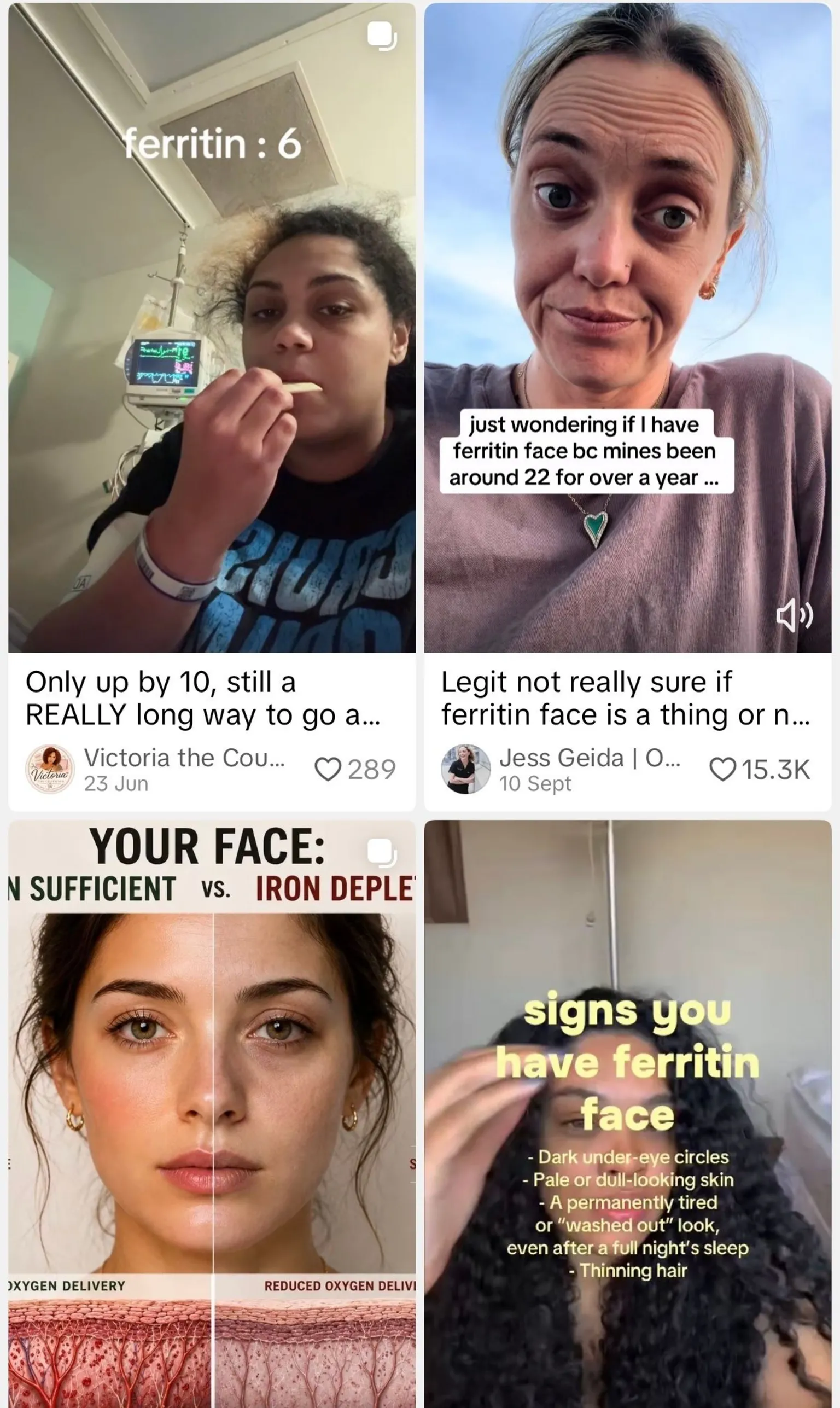
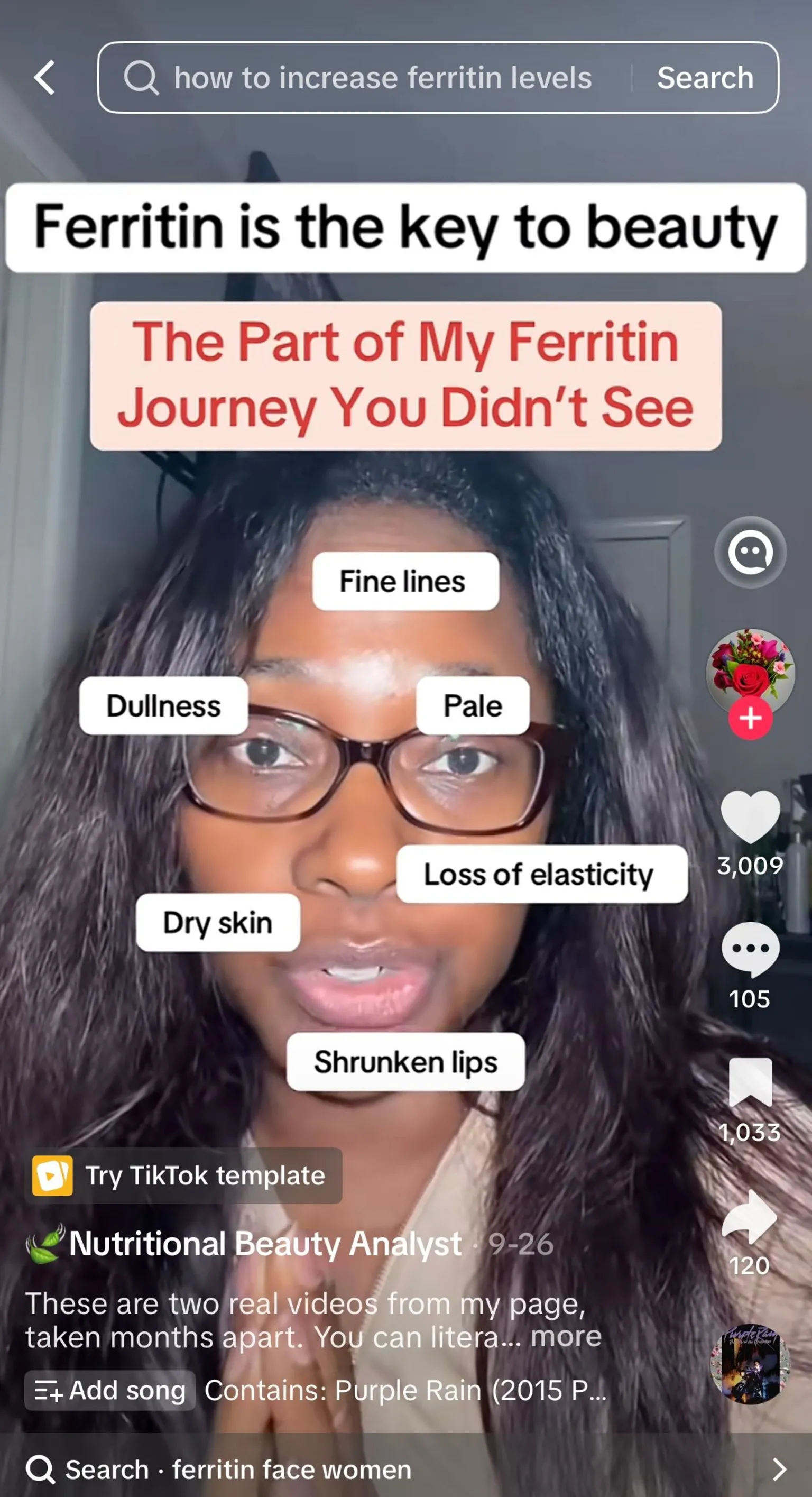
“Do you have ferritin face?” a young woman asks in a TikTok video, pointing toward dark circles, pale-looking skin and brittle hair. Beside her are before-and-after-style photographs that appear to show a dramatic change. Her explanation is simple: the difference, she suggests, could be linked to iron levels.
The phrase “ferritin face” has quickly spread across TikTok and Instagram, where videos attracting millions of views invite people to inspect their own reflection for possible clues. Ferritin is a protein that stores iron in the body, and online creators have begun connecting low levels with a collection of visible features, including grey or washed-out skin, dark circles beneath the eyes, dry or cracked lips, thinning hair and weak nails.
What is ferritin face and can it reveal iron deficiency?
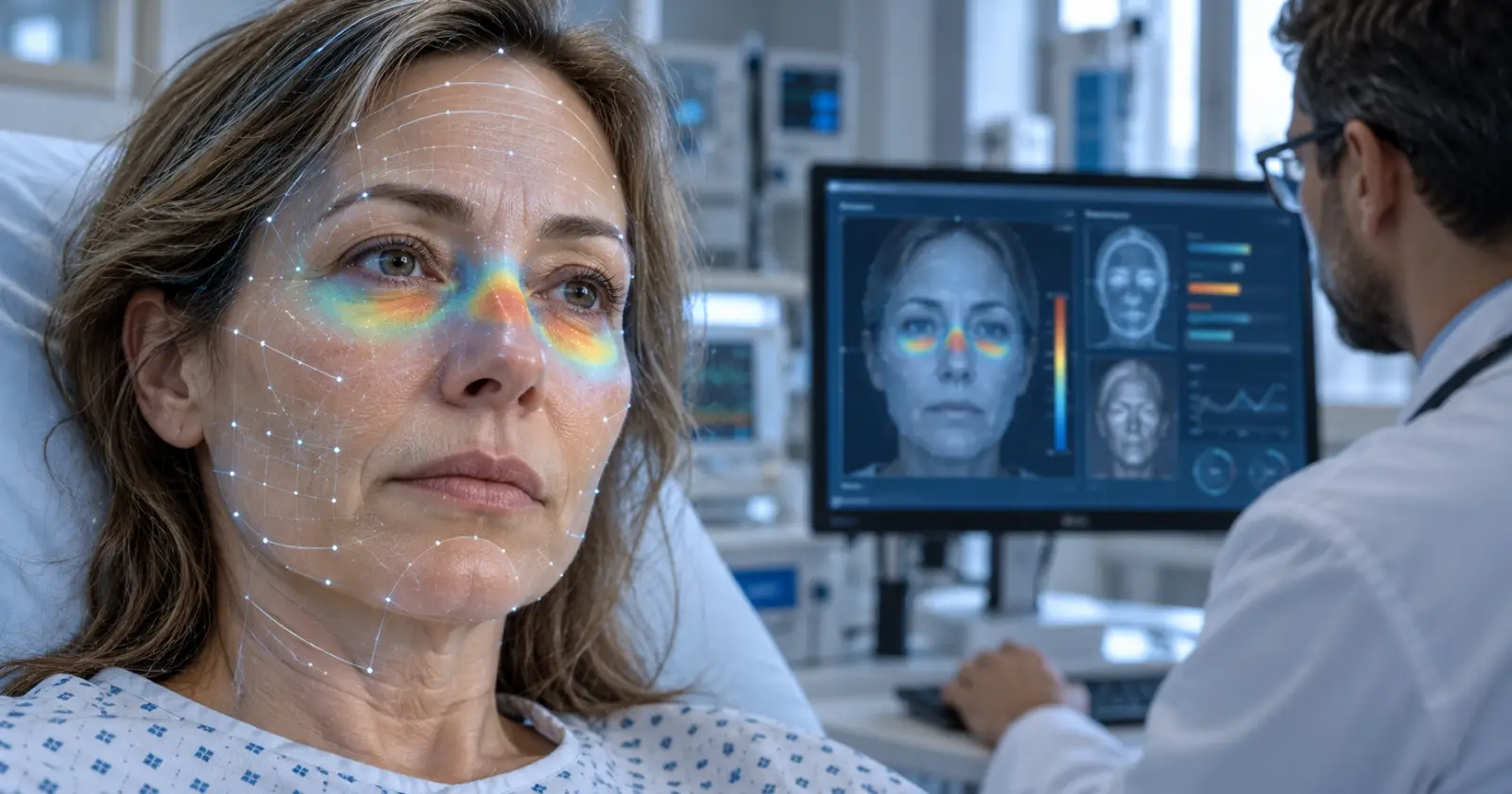
Some users share portraits that appear to show stark changes over time. Others point directly into the camera with reassuring statements such as, “You’re not ugly, your ferritin is low.” The message can feel comforting to someone who has noticed a change in their appearance, but doctors warn that a face cannot reveal a person’s ferritin level with certainty.
“Ferritin face is not a medical diagnosis,” said GP Dr Aziza Sesay, who is based in the West Midlands. She explained that these features may be a clue that something is happening in the body, but they can also be connected to many other conditions. Pale skin, hair shedding and brittle nails are not unique signs of iron deficiency.
Woman shares her experience with low ferritin and hair loss
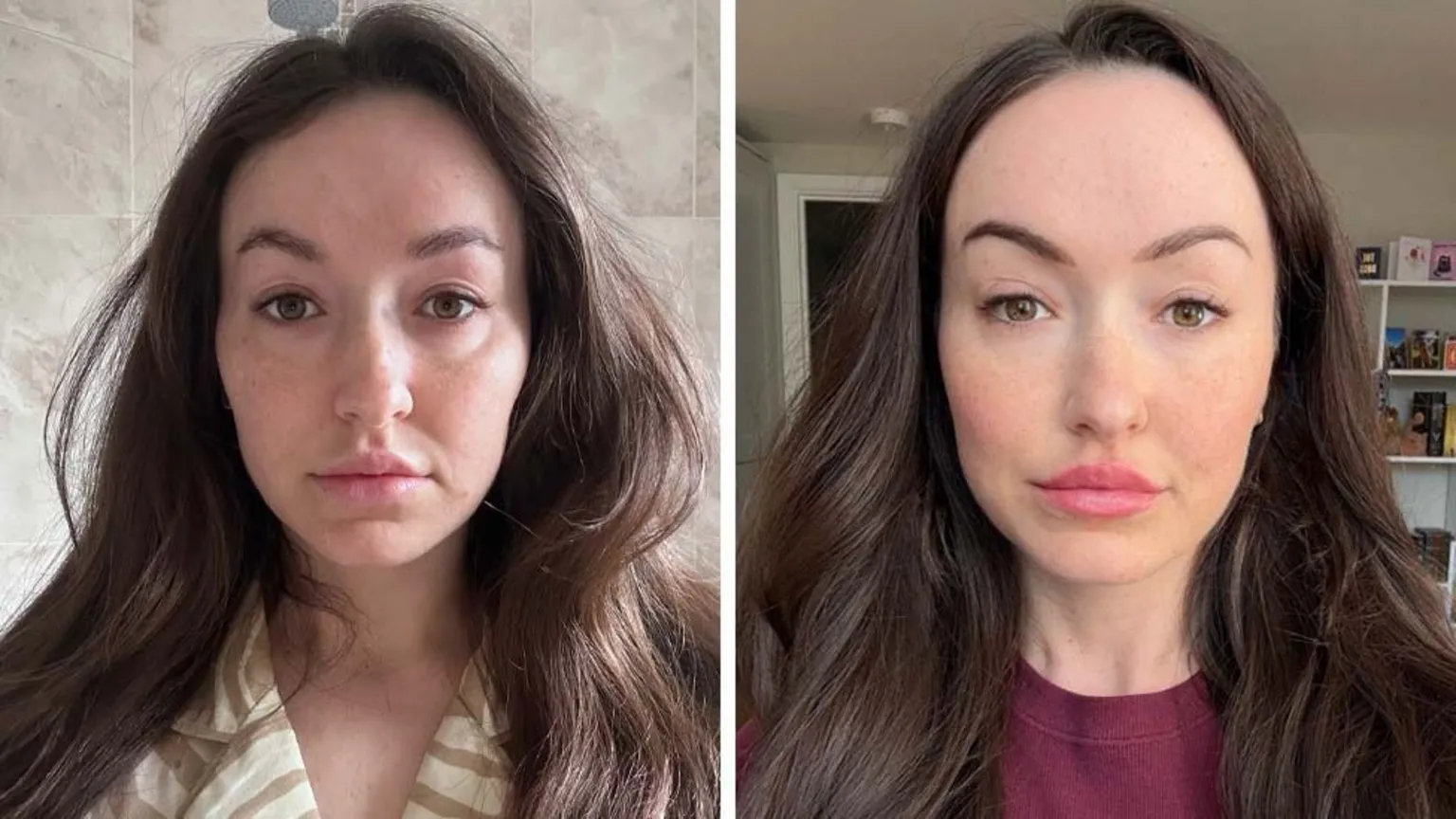
Lucy M, 32, who posts about hair loss as @marvluceskin on Instagram and TikTok, said the phrase seemed to describe changes she had personally experienced. In 2021, she developed heart palpitations, fatigue and hair loss. After being told that her blood tests were normal and receiving a diagnosis of generalised anxiety disorder, a later test showed that her ferritin level was 12 micrograms per litre.
Lucy said she had begun to look “grey” and that her hair had become dull and brittle. She shared photographs from the period when her ferritin was low and compared them with images taken after it had recovered. To her, the difference in both her appearance and how she felt was “night and day”.
Her experience helps explain why the trend has resonated with so many people. The videos often encourage viewers to search for a combination of signs rather than one feature alone, comparing dark circles, pale skin, dry lips, hair changes and brittle nails with their own appearance. For someone already feeling exhausted or worried, that checklist can seem like an answer.
Doctors explain why appearance alone cannot diagnose low ferritin
But Provan said it was “impossible” to determine someone’s ferritin level from the way their face looks. People with significant anaemia may appear pale, he explained, and tiredness can contribute to dark circles, but such visual signs remain subjective and unreliable. Dr Sesay also noted that changes in skin colour may be less obvious in people with darker skin, meaning someone searching for the signs described online could miss iron deficiency altogether.
Doctors say symptoms and the way a person feels are more useful starting points than a social media checklist. Blood tests are needed not only to confirm iron deficiency, but also to establish why it has happened and to guide appropriate treatment. Possible causes include heavy periods, too little iron in the diet, gastrointestinal blood loss and problems absorbing iron through the gut.
Iron deficiency treatment and the risks of self-diagnosis
Iron deficiency is commonly treated with oral iron. Pavord said iron tablets are best taken on an empty stomach, ideally first thing in the morning, and advised avoiding tea or coffee around the time they are taken because these drinks can reduce iron absorption. Iron can also be obtained naturally from foods such as meat, beans, lentils, leafy green vegetables and fortified cereals.
Taking iron supplements without a diagnosis can be harmful, and treating yourself based only on a video may delay an investigation into an underlying problem. The polished before-and-after images shared online may look persuasive, but they cannot replace a proper assessment.
Lucy believes social media has still played a useful role for many women. She said it has encouraged them to take symptoms more seriously and helped some people feel confident enough to ask questions when something feels wrong. “There are so many women saying, ‘Oh my gosh, this is me,’” she said, while making clear that she is not a doctor and presents her content as her own experience.
For Lucy, sharing that experience has been empowering because it gives women information with which to advocate for themselves. Dr Sesay described social media as a “double-edged sword”: it can encourage people to seek help, but it can also lead them to diagnose themselves incorrectly after watching a short video.
The most useful message behind the trend is therefore not that people can diagnose themselves by looking in the mirror. It is that a persistent change in how someone feels, or symptoms that do not seem right, deserve attention and a conversation with a qualified professional.